
Mind the Gap: Equity, Power, and the "Pulley of Inquiry" in the Mparntwe Declaration
BY Marco | Thought
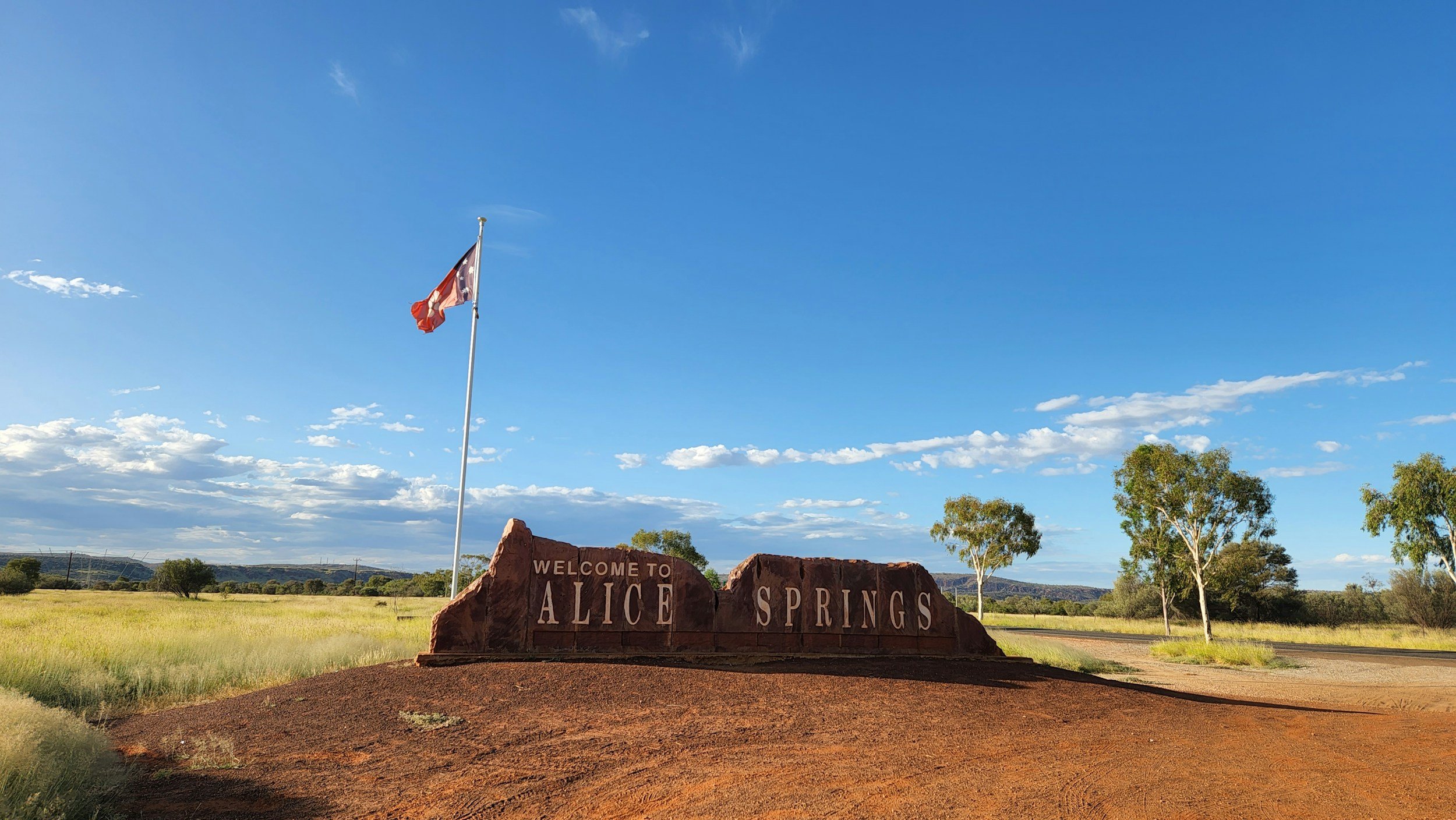
As an IT trainer working with STEM education for refugees in Australia, specifically African Refugee Background (ARB) students at St. James College, I often find myself standing at the intersection of two very different worlds. On one side, there is the high-level rhetoric of national policy—specifically The Alice Springs (Mparntwe) Education Declaration. On the other, there is the lexically dense (Gannon et al., 2024) reality of my Year 11 and 12 VET classroom.
Reading the Mparntwe Declaration through the lens of my current research, I observe a profound implementation asymmetry (Ball, 2015). While the Big Bosses in Canberra promise equity and excellence, the Micro context of the classroom reveals a much more complex struggle for social peace and aspirational agency.
1. The Equity Myth vs. Lexical Density (Analysis of Page 4)
In Goal 1: The Australian education system promotes excellence and equity (p. 4), the Declaration states that all young Australians should have access to high-quality education free from discrimination.
The Content Gap: The text assumes that access is enough. It implies that if we open the door to the VET lab, Equity is achieved.
The Asymmetry: For my ARB students, access to a standardized IT curriculum is not equitable—it is a barrier. The language of VET is lexically dense. When the policy promises equity on page 4, it fails to mention the pedagogical scaffolding required for those with disrupted schooling.
The Andraluma Insight: In my classroom, Equity is not a state of being; it is a mechanical effort. My Pulley of Inquiry is what actually creates the equity that the Declaration only talks about.
2. The Confident and Creative Paradox (Analysis of Page 6)
Goal 2 of the Declaration (p. 6) aims for students to become confident and creative individuals who are enterprising and adaptable.
The Representation: Following Bacchi (2009), the policy sets the tone by representing the student as an autonomous, ready-to-go worker.
The Struggle: There is a clash between Industrial Worth (compliance and ticking boxes) and Civic Worth (creativity and agency). VET assessment tasks are often Locked Pulleys where students just follow instructions.
The Solution: Using Gen AI for Guided Inquiry allows students to meet the Creative goal of the Declaration while navigating the rigid VET system. It moves them from following orders to discovering solutions.
3. The Pathways Silencing (Analysis of Page 16)
On Page 16, the Declaration discusses supporting a diversity of pathways, specifically mentioning vocational education and training.
The Governance Gap: The Declaration groups diverse pathways into a broad administrative category. The problem is represented as a logistical pathway choice, but this silences the Settlement Factor.
The Analysis: There is no mention of how these pathways intersect with the National Settlement Framework. By ignoring the specific needs of refugees in VET, the Declaration governs at a distance (Rose, 1999). It leaves the trainer to bridge the gap between Settlement Administration and STEM Education.
The Shift: The Big Boss focus here is on employment outcomes, but it ignores the Social Peace that comes from a student feeling truly capable in a high-tech environment.
Conclusion: Beyond the Declaration
The Mparntwe Declaration is a symmetrical document—it looks balanced on paper. But the life of an ARB student is asymmetrical. Their Aspirational Agency is constantly weighed down by a system that sees them as a housing statistic rather than a learner.
Using an illuminative technique (Ozga, 1987), we can see that the gap isn't a mistake; it is a choice of focus. When policy defines equity as access but ignores pedagogy, it creates the very asymmetry I fight every day. The Pulley of Inquiry is my answer to the Mparntwe Declaration. It is my way of taking the text of equity and turning it into a discourse of power for my students.
