
The 30-Minute, 150-Person Problem: Why Real Expertise is Not "Pre-Canned"
The Andraluma Compass - By Marco Lam
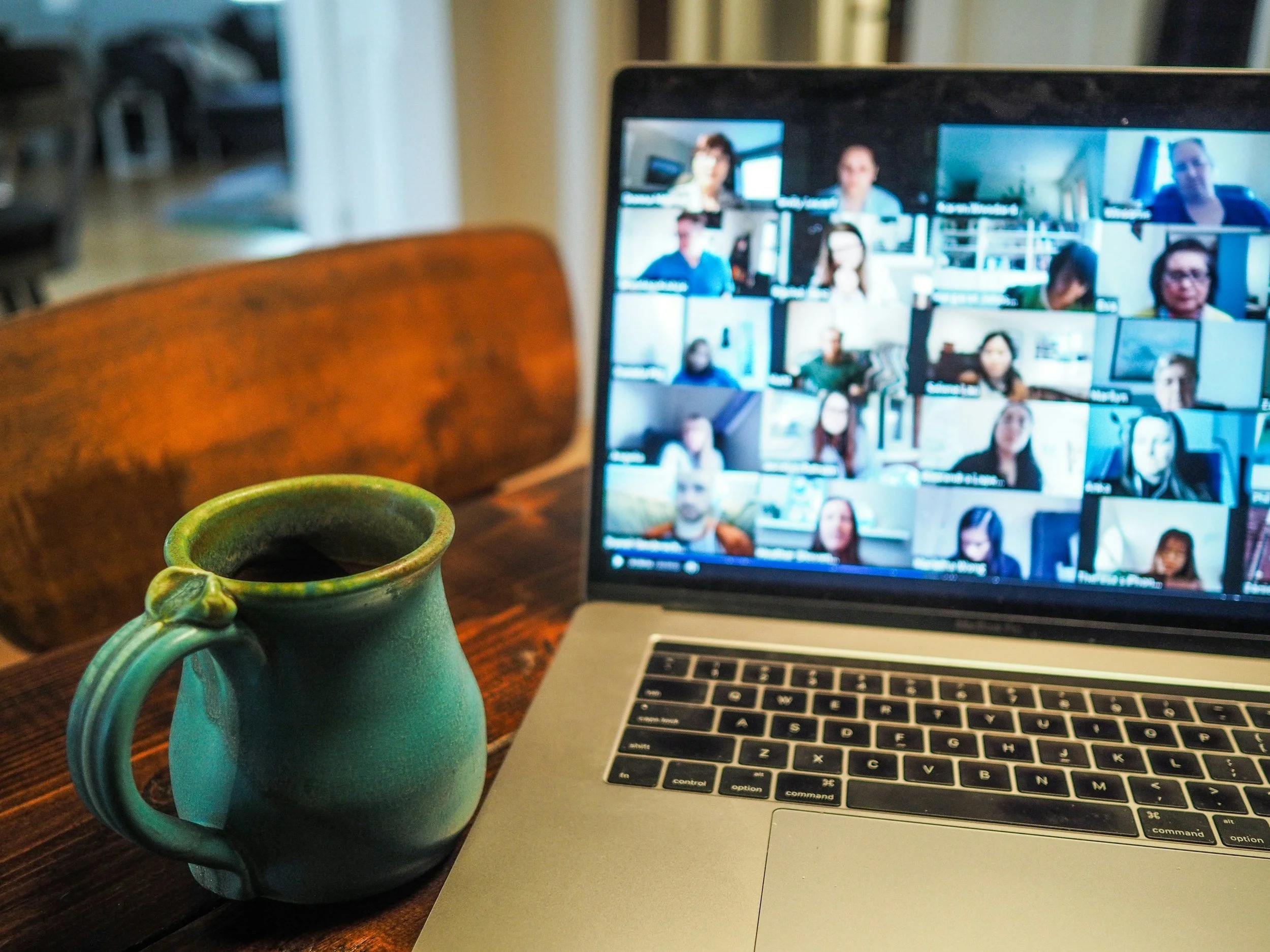
The screen in front of me was filled with 150 faces. They were JCI leaders from across the Philippines, and I had exactly 30 minutes to deliver an impactful training session on "Small Project, Big Impact." The pressure was on.
I opened with a few welcoming questions, but the virtual room was quiet. In a group this large, silence can be intimidating. It’s easy for an inexperienced trainer to assume a lack of engagement. But experience has taught me a crucial lesson: silence is not a void; it is data you haven't learned how to read yet.
Many cultures, particularly in Southeast Asia, operate with a beautiful, high-context style of communication where group harmony is paramount. The Western idea of individuals loudly debating or volunteering unsolicited opinions can feel disruptive. The priority is often to listen respectfully to the authority—in this case, the trainer—and to avoid any action that might cause themselves or others to "lose face." The fear isn't of being wrong, but of creating a moment of public disharmony.
The challenge, for me as a trainer, was not to force them into my style of communication, but to honour theirs while still achieving the session's goal of collaborative learning. My job was not to fill the silence, but to make it safe to speak.
While I understood the cultural reasons for the initial quietness, I needed more specific data to truly serve this group in just 30 minutes. So, instead of starting with my slides, I started with a simple, real-time polling tool. I asked three questions:
How are you feeling today?
How many years have you been in JCI?
What is the most difficult part of leading a JCI project?
As the answers flooded in, the entire plan for my session changed in an instant. The most critical piece of data was the answer to question two: the vast majority of these leaders were not new members; they had 3-5 years of experience in JCI.
My pre-prepared, introductory content was now completely useless as a starting point. The content was there and the slides were designed, but to deliver them linearly would have been disrespectful to this experienced group. The silence I had perceived was now clearer—it was the quiet patience of experts waiting for something relevant.
With only minutes to spare, I had to fundamentally change my delivery. The story I told and the points I emphasized had to be formed "on-site." I instantly re-sequenced my presentation in my mind, skipping past the basics and jumping directly to the slides and concepts that addressed their specific, stated challenges—things like volunteer motivation and stakeholder management.
This is the skill that a real company needs in today's rapidly changing world. It is not the ability to deliver pre-canned content. It is the ability to diagnose an audience in real-time—using both cultural empathy and hard data—and adapt your message to solve their actual problems.
The future of effective professional development is not in a perfect, polished lecture. It's in the facilitator's ability to have a responsive, respectful dialogue that honours the wisdom already in the room. That is a skill that cannot be pre-canned.
